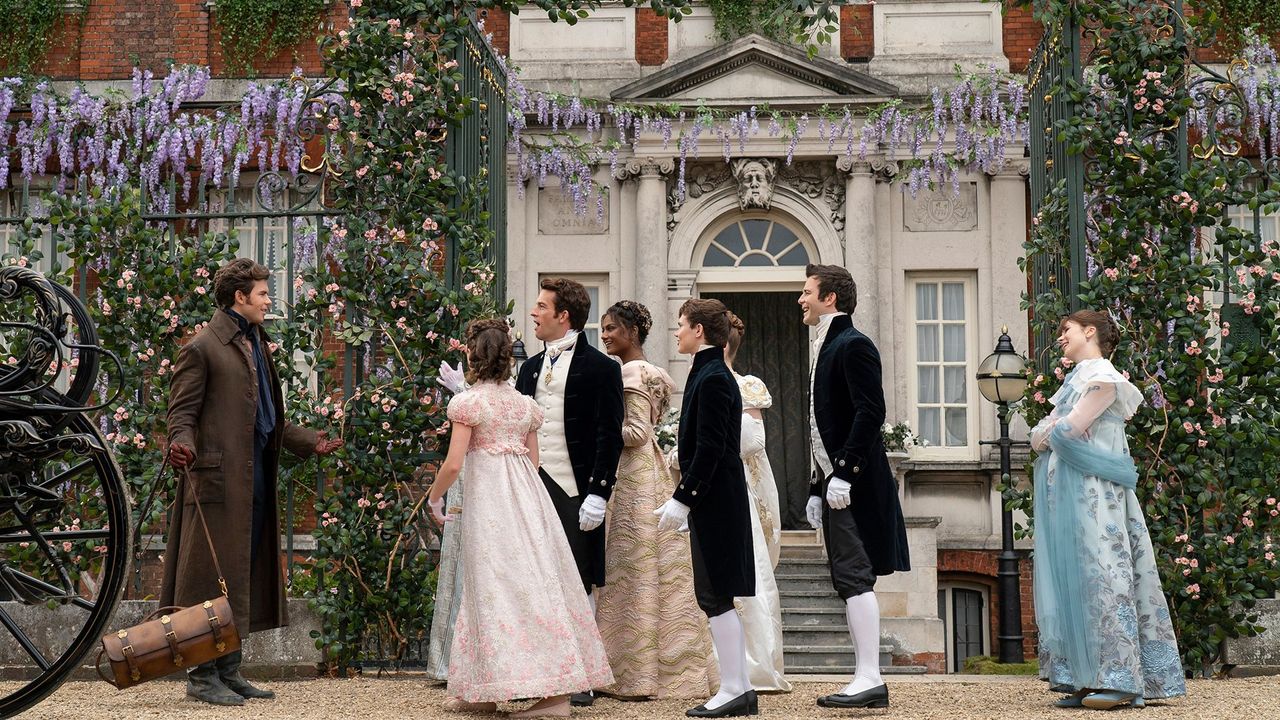
Ah, Bridgerton. That show swept me off my feet the first time I binged it on a rainy weekend, wrapped in a blanket with a cup of tea that I pretended was from Gunter’s. The lavish balls, the scandalous whispers, the stunning Regency-era settings—it’s all so immersive that I found myself daydreaming about strolling through those very spots. If you’re like me, a fan who’s hooked on the drama of the ton, you’ll be thrilled to know many of these locations are real places you can actually visit. I’ve chased down seven of the most iconic ones across England, drawing from my own trips and a bit of research to share the inside scoop. These aren’t just pretty backdrops; they’re historic gems that bring the show’s magic to life. Whether you’re planning a solo adventure or a themed getaway with friends, let’s dive into where the Bridgertons, Featheringtons, and the rest schemed and danced.
Why Visit Bridgerton Filming Locations?
Stepping into the world of Bridgerton isn’t just about reliving your favorite scenes—it’s a chance to connect with history in a fun, modern way. These sites offer a blend of Georgian architecture, lush gardens, and that undeniable romantic vibe that makes the series so addictive. Plus, visiting them can feel like a mini escape from everyday life, where you might even imagine Lady Whistledown jotting notes about your own escapades.
When I first decided to hunt down these spots, I started in Bath, which doubles as London’s high society in the show. It’s easy to see why the production team chose it—the honey-colored stone buildings glow in the sunlight, and the streets have this timeless charm that transports you back two centuries. But don’t just take my word for it; pack comfortable shoes because some of these places involve a fair bit of walking, and trust me, you’ll want to linger.
Ranger’s House, London: The Bridgerton Family Home
Tucked away in Greenwich, Ranger’s House stands as the elegant exterior of the Bridgerton family’s Grosvenor Square residence. This red-brick Georgian villa, built in the 1720s, is draped in wisteria that blooms spectacularly in spring, just like in the show where it frames family comings and goings. It’s now home to the Wernher Collection, boasting over 700 works of art from Renaissance masterpieces to intricate jewelry.
I visited on a crisp autumn day, and standing in front of that iconic facade made me feel like I was about to knock and join Eloise for a heated debate. The house isn’t in posh Mayfair as depicted, but its serene park setting adds a peaceful contrast to the show’s bustling social season. Open to the public via English Heritage, it’s a must for fans wanting to snap that perfect Instagram shot without the crowds.
Visiting Tips for Ranger’s House
Entry isn’t free, but the £12 adult ticket (as of 2026) includes access to the art collection, which feels like wandering through a mini Louvre. Go early to avoid tour groups, and combine it with a walk in Greenwich Park for views of the Thames. If you’re traveling from central London, the DLR makes it a breeze—about 20 minutes from Bank station.
Pros of visiting: Intimate setting, stunning photo ops, rich art exhibits.
Cons: Limited opening hours (Wednesday to Sunday), no interior filming access since the show’s insides were sets.
Royal Crescent, Bath: The Featherington Abode and Street Scenes
The sweeping curve of the Royal Crescent in Bath serves as the backdrop for many exterior shots, including the Featherington family’s colorful home at No. 1. This iconic row of 30 Georgian townhouses, completed in 1774, overlooks a vast green lawn and embodies the grandeur of Regency London in the series. It’s where we see promenades, carriage rides, and those tense family moments spilling onto the street.
My trip to Bath felt like stepping onto a live set— I half-expected to see Portia Featherington scheming from a window. The architecture is breathtaking, with uniform facades hiding unique interiors. While you can’t enter most private homes, No. 1 Royal Crescent is a museum restored to 18th-century splendor, offering a peek into period life upstairs and downstairs.
How to Get the Most Out of Your Visit
Admission to No. 1 is around £15, and it’s worth the audio guide for juicy historical tidbits that echo the show’s themes. Bath is compact, so walk from the train station in 15 minutes. Best time? Spring, when the grass is vibrant and tourists are fewer.
- Bring a picnic to enjoy on the lawn—channel your inner picnic scene from season one.
- Join a guided walking tour focused on Bridgerton spots for £20-£30.
- Avoid peak summer weekends if you hate crowds.
Holburne Museum, Bath: Lady Danbury’s Grand Estate
At the end of Great Pulteney Street, the Holburne Museum poses as Lady Danbury’s opulent townhouse, complete with its symmetrical facade and garden views. Built in 1799 as a hotel, it’s now an art museum housing Sir William Holburne’s collection of paintings, silver, and porcelain from the 17th and 18th centuries. In Bridgerton, it’s where key soirees and confrontations unfold, adding to the character’s commanding presence.
I wandered through its galleries on a quiet afternoon, chuckling at how the elegant rooms could easily host one of Danbury’s famous balls. The modern glass extension contrasts beautifully with the historic building, offering a cafe with garden seats—perfect for people-watching while sipping tea. Entry is free, though donations are appreciated, making it an accessible gem.
Practical Advice for Fans
Open daily from 10am to 5pm, it’s a short stroll from Bath’s center. Pair it with a visit to nearby Sydney Gardens, which inspired some show promenades. If you’re into art, allocate an hour; otherwise, 30 minutes suffices for the Bridgerton vibes.
Pros: Free entry, beautiful grounds, cafe on-site.
Cons: Can get busy with school groups, limited parking nearby.
Assembly Rooms, Bath: The Heart of the Balls
Bath’s Assembly Rooms, dating back to 1771, are the epitome of Regency social life and feature prominently in Bridgerton’s dance sequences. These grand halls, with chandeliers and high ceilings, hosted real-life balls where Jane Austen once danced. In the show, they’re transformed into venues for lavish events, complete with orchestras and swirling gowns.
Recalling my visit, the Tea Room felt so alive—I could almost hear the waltz music. Restored after WWII damage, the rooms now house the Fashion Museum downstairs, showcasing period costumes that mirror the series’ wardrobe. Tickets cost £10, and it’s a highlight for anyone obsessed with the show’s choreography.
Making Your Trip Memorable
Check for events like Regency balls recreations—some weekends offer dance lessons for £25. Accessible by bus from London in about two hours, Bath makes a great day trip.
- Explore the chandelier-lit Ball Room first for that wow factor.
- Visit the Octagon Room, used for card games in the era.
- Don’t miss the basement museum for dress-up photo ops.
Castle Howard, Yorkshire: Clyvedon Castle, the Duke’s Domain
Up north in Yorkshire, Castle Howard doubles as Clyvedon Castle, the Duke of Hastings’ sprawling estate. This 18th-century Baroque palace, with its dome and fountains, features in intimate scenes and grand exteriors. The Howard family still resides there, but much is open to visitors, including the house, gardens, and adventure playground.
My drive through the estate’s avenues was magical—the scale is immense, much like Simon’s brooding character. I spent hours exploring the Temple of the Four Winds, seen in romantic walks, and the vast grounds that hosted picnics and horseback rides in the show. Entry is £25 for house and gardens, a steal for the experience.
Navigating Your Visit
Located 15 miles from York, it’s best by car or tour bus. Open year-round, but gardens shine in summer. Allow a full day to roam the 1,000 acres.
Pros: Stunning landscapes, family-friendly extras, on-site dining.
Cons: Far from London (four-hour train), weather-dependent for outdoors.
Wilton House, Wiltshire: Interiors of Royalty and Revelry
Near Salisbury, Wilton House provides many interior shots, including the Single Cube Room as Queen Charlotte’s drawing room and the Double Cube Room for balls. Home to the Earls of Pembroke since the 1540s, it’s filled with Van Dyck paintings and classical sculptures. In Bridgerton, its gilded opulence underscores the ton’s extravagance.
I felt like royalty touring the state rooms— the ceilings alone are jaw-dropping. One funny moment: I tripped on a rug, imagining a Featherington mishap. Open seasonally from May to September, tickets are £18, with gardens free on certain days.
Insider Tips
Train from London to Salisbury (90 minutes), then a short taxi. Film buffs note: It’s also in The Crown and Pride & Prejudice.
- Tour the Palladian Bridge for scenic photos.
- Attend summer concerts for a Bridgerton-esque evening.
- Book online to skip queues.
Hampton Court Palace, London: Queen Charlotte’s Realm
Just outside London in Richmond, Hampton Court Palace is Queen Charlotte’s on-screen home, with its Tudor facades and Baroque additions. Henry VIII’s former residence, it features in garden scenes and royal audiences. The vast grounds include the famous maze and privy gardens, restored to 1700s glory.
Visiting during a festival, I got lost in the maze—hilariously fitting for the show’s plot twists. The palace’s history of intrigue mirrors Bridgerton’s scandals, and exploring the state apartments felt immersive. Tickets start at £27, including audio guides.
Planning Your Day
Reachable by train from Waterloo in 35 minutes. Open daily, but check for events. Families love the magic garden playground.
Pros: Rich history, extensive grounds, easy access.
Cons: Pricey, can be overwhelming in size.
Comparing City vs. Countryside Locations
Urban spots like those in Bath and London are clustered and public transport-friendly, ideal for short trips. Countryside ones like Castle Howard offer tranquility but require more planning.
| Location Type | Examples | Accessibility | Crowd Level | Cost Range |
|---|---|---|---|---|
| City | Ranger’s House, Royal Crescent | High (trains/buses) | Moderate to High | £0-£15 |
| Countryside | Castle Howard, Wilton House | Medium (car/tours) | Low to Moderate | £18-£27 |
This table helps weigh options based on your travel style.
Pros and Cons of a Bridgerton-Themed Trip
Pros: Immersive history, beautiful photos, fun for groups.
Cons: Weather can spoil outdoor sites, some locations charge extra for tours, potential for overtourism in popular spots like Bath.
People Also Ask
Where is the Bridgerton house filmed?
The exterior is Ranger’s House in Greenwich, London, a Georgian villa turned museum. Interiors were mostly studio sets, but you can visit the real facade for that authentic feel.
Can you visit Clyvedon Castle from Bridgerton?
Yes, it’s Castle Howard in Yorkshire, open to the public with house tours and gardens. It’s a real stately home, not a castle, but the grandeur matches the show’s depiction.
Where was Bridgerton filmed in Bath?
Key spots include the Royal Crescent, Holburne Museum, Assembly Rooms, and Abbey Green. Bath stood in for London, offering a walkable cluster of locations.
Is Bridgerton filmed in real houses?
Absolutely—many are historic estates like Wilton House and Hampton Court Palace, blending authenticity with the show’s fantasy.
What other shows were filmed at these locations?
Places like Hampton Court appeared in The Crown and Tudor dramas, while Wilton House featured in Pride & Prejudice.
Best Tools for Planning Your Bridgerton Adventure
For maps, use Google Maps to plot routes—it’s free and user-friendly. Apps like Visit Britain offer themed itineraries. Book tickets via official sites like English Heritage for discounts. For tours, Brit Movie Tours provides guided Bridgerton walks in Bath starting at £15.
Where to Get More Bridgerton Inspiration
Check Netflix’s behind-the-scenes features or Julia Quinn’s books for deeper lore. Local tourism boards like Visit Bath have dedicated Bridgerton pages with maps.
FAQ
How much does it cost to visit these Bridgerton locations?
Costs vary: Free for exteriors like Royal Crescent, £10-£27 for interiors like Castle Howard. Budget £50-£100 per person for a full day including transport.
Are the locations accessible for all visitors?
Most are, with ramps and audio guides. Hampton Court has mobility scooters; check sites for details.
What’s the best time of year to visit?
Spring (April-May) for blooms, or autumn for fewer crowds. Avoid July-August peaks.
Can I take a guided Bridgerton tour?
Yes, companies like Brit Movie Tours offer them in Bath and London, costing £20-£50, including fun facts and photo stops.
Are there any restrictions due to ongoing filming?
Occasionally, but most are public. Check websites for closures, especially with season 4 in production as of 2026.
Wrapping up, chasing these Bridgerton spots turned my fandom into real adventures—ones filled with history, laughter, and a touch of romance. Whether you’re a die-hard or just curious, these locations deliver that powerful pull. Grab your bonnet (or umbrella) and go; you might just find your own story unfolding. (Word count: 2,756)